Saturday, 23 June 2012

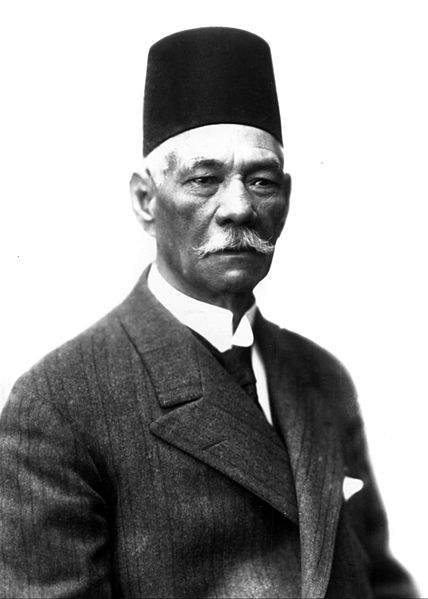
لماذا قال سعد زغلول "مفيش فايدة"


هناك رواياتان:

في كلتا الروايتين، يقال أن سعد زغلول كان على فراش الموت ونظر إلى زوجته السيدة صفية زغلول وقال لها: "شدي اللحاف يا صفية (أو - غطيني يا صفية)... مفيش فايدة." وهناك تفسيرين:

١- أنه كان يقصد الوضع السياسي في مصر في مجمله أنذاك، وذلك هو التفسير الشائع.
٢- أنه كان يقول لزوجته ألا تعطيه مزيدا من الدواء لأنه لا يبدو وأنه يأتي بأي نتيجة واضحة، بل وأن حالته كانت تزداد سوئا. والرواية الثانية هي الأرجح.

ويقال أن الكاتب الصحفي الراحل حافظ محمود قد كتب عن هذا الموضوع، وأكد أن الرواية الثانية هي الأكثر صحة، وأن سعد زغلول لم ييأس أبدا من الوضع السياسي في مصر. والله أعلم.


Not Everyone Is Angry

I wrote 8 tweets a few hours ago on why some are not that angry, if not actually supportive, of the regime's recent power grab. I was asked to put them in a post, so here goes.

1- It should be noted that not everyone is angry with SCAF's recent actions. There is what appears to be a significantly large amount of >>>
2- amount of people who see SCAF as "stepping in at last second to save the process." I have heard this narrative from many people >>>>
3- Some of them express frustration with how political forces have been unable to reach any real consensus on constitutional issues >>>
4- Some express worry and distrust with regards to the MB's aggressive grasp for power, some worry of violence in case Morsi fairly loses >
5- Some find liberal and secular parties to be utterly worthless and incapable of having any real impact, and some see the political >>>
6- transition falling apart, and of course (the greatest irony) some see SCAF predominantly as the (gasp) "protector of the civil state." >>
7- Of course, I DO NOT share this opinion. But I am sharing it to explain how diverse opinions on the subject are within the Egyptian street
8- The point I'm making is that the combined (and unique) failures of organised Egyptian political forces is making this more acceptable.
People who kindly follow me know I in no way endorse the recent "soft coup," as some have described it the power grab over the past several days. I want a civilian government, a civilian political process, a civilian-drafted constitution, a civilian democracy. The entire point of those tweets was to explain that the performance of organised political forces (those who overreached, those who under reached, those who didn't reach at all) has been, in my evaluation, substantially instrumental in creating an environment wherein a significant percentage of the population (though I am not claiming it is the majority) was less hostile towards the recent power grabs, willing to wait and see what comes of it before mounting a reaction, at least be half-hearted in its condemnation of it, or/as well as for some to actually see SCAF and its actions in a relatively flattering light. The consequential point, therefore, is that if these same political forces wish to re/gain wider popular support on the side of their demands, then they will need address why this combined drop in popularity and trust had developed in the first place. As the cliché goes, the starting point would be that they will need to demonstrate wide unity on the path forward, with all of its larger and smaller details (I am speaking even about the constitution.)


Saturday, 16 June 2012

Why Wasn't There A Gigantic Tahrir Protest This Friday?

Photo of Tahrir at 1:18 PM, via @SkyNewsEd

I have no idea.

The dissolution of Egypt's first freely-and-fairly elected parliament, the sometimes so-called "The Parliament Of The Revolution" (though rarely dubbed as such by anyone other than certain media outlets and the Islamists) should have theoretically led to at least one of the biggest 5 protests since 11 February  2011. Instead, this was one of the smallest. A few complementary theories why.

1- This parliament was becoming quite unpopular, for many normal Egyptians as well as for many pro-revolutionary forces, whether organised or street-based, especially liberal-leaning ones. It's dissolution was met with mixed emotion, especially given the recent farcical showdown over the second Constituent Assembly.

2- An understandable temporary exhaustion by the revolutionary street, on more than one level.

3- With the controversial runoff elections scheduled today and tomorrow, perhaps many are holding their breaths to see what is going to happen, and then consider their move.

4- The relatively calm response by the current face of the Brotherhood, Mohammed Morsi, also seemed to have cooled off some of the potential escalation.

But anyway, I am just thinking out loud.

Tuesday, 12 June 2012

And The Next President Of Egypt Is...?

I've been asked, much like everyone is asking everyone, who I thought would win the runoff elections. Well, on the 8th of April of this year I made my first guess on who I thought was most likely to win Egypt's Presidential Elections, after the full lineup of candidates was becoming clear. My rough calculation, however, was not met at the time with wide endorsement given the presence of more than 1500 announced potential pre-candidates at the time, including all the heavyweights such Omar Soleiman, Khairat Al-Shater, Hazem Abu Ismail, Abdel-Men'eim Abul-Fotouh and Amr Moussa. 


I am aware of course of all the arguments suggesting that Shafiq "won't be allowed to lose" or that there is rising dissatisfaction with conservative political forces, but I still feel it is more likely Morsi would win. The results of the expat vote are also pushing in that direction. Still, at the time I also felt it was almost impossible for Shafiq to stage a comeback like he did, and I also felt it difficult Sabahi would end up fourth or fifth, let alone third. So nothing is ever certain anymore.

Monday, 11 June 2012

Video: When "The New Country Of Libya" Had Elections In 1952

When the "new country of Libya" had general elections in 1952, after independence from Italy. Rioters accused the government (which won 5-1 against the opposition) of rigging the elections to its favour, police responded with teargas.


Footage From "The Battle Of The Camel" - وثائقي عن موقعة الجمل

As the "Battle Of The Camel" trial keeps moves forward today, I delved into some research and I've just come across this documentary. Aired on Al-Jazeera, the documentary recounts the harrowing day of February 2nd 2011, commonly known as the "Battle Of The Camel." This includes some very unique footage that I have never seen on television before. It is Arabic.


بنود وثيقة العهد للقوى المدنية

من موقع البي بي سي:


1 – مصر دولة مدنية ديموقراطية تقوم على سيادة الدستور والقانون ومرجعيتها السياسية من الدستور والقانون. 

2- التمسك بالمادة الثانية من دستور 1971 والإعلان الدستور والتى تقرر أن الإسلام، هو دين الدولة وأن مبادئ الشريعة الإسلامية هى المصدر الرئيسى للتشريع والتمسك فى ذات الوقت بتفسيرات المحكمة الدستورية العليا فى أحكامها المتعاقبة.

3 – التمسك بمبدأ المواطنة والمساواة أمام القانون وتجريم التمييز والتكفير والحض على الكراهية بين المواطنين والمواطنات على أساس الدين أو المعتقد أو اللون أو الجنس أو المركز الاجتماعى، وتأكيد المساواة الكاملة بين المرأة والرجل فى كافة الحقوق والواجبات.

4 – احترام الفصل بين السلطات والتأكيد على استقلال القضاء، من خلال قانون جديد يضمن ذلك، ولكل مواطن الحق فى المحاكمة العادلة أمام قاضيه الطبيعى وحظر كافة صور القضاء الاستثنائى.

5 – احترام الحريات العامة وفى مقدمتها حرية الرأى والتفكير والتعبير والعمل السياسى وحرية البحث العلمى والإبداع الفكرى والأدبى والفنى والحريات الشخصية.

6- وجوب تكافؤ الفرص والمساواة بين جميع المواطنين والمواطنات فى الحقوق والواجبات.

7- حماية مؤسسات الدولة الرئيسية من محاولات الإختراق والتغلغل من بعض التيارات السياسية أو محاولات توجيهها إلى خدمة فصيل أو تيار معين مع الحفاظ على مهنية وحيادية تلك المؤسسات ووضعها فى خدمة كافة المواطنين بدون استثناء وفى مقدمة هذه المؤسسات القضاء والجيش والشرطة والأزهر الشريف ومؤسسات التعليم.

8- احترام مبادئ حقوق الإنسان المنصوص عليها فى مبادئ ومواثيق حقوق الإنسان الدولية والالتزام بما ورد فى الاتفاقيات والمواثيق والبروتوكولات الدولية التى صدقت عليها مصر. 

9 – التزام الرئيس القادم، بالتصدى بحزم لأى إعاقة للتداول السلمى للسلطة أو أى تدابير سياسية أو تشريعية تعوق هذا التداول.

10 – التزام الرئيس القادم، بالتصدى لأى تشريع استثنائى ينتهك الحريات العامة والشخصية وحقوق الإنسان مع ضرورة إلغاء حالة الطوارئ والعمل على تنقية البنية التشريعية من القوانين المقيدة للحريات وعلى إصدار قانون انتخابى موحد يحقق تمثيل عادل لكافة فئات المجتمع.

11- التزام الرئيس القادم، بتشكيل حكومة إئتلاف وطنى يرأسها أحد الشخصيات الوطنية التى تحظى بتوافق عام، على أن يتم إعلان اسمه قبل انتخابات الإعادة.

12- أن يكون تعيين وزراء الدفاع والداخلية والخارجية والعدل من داخل مؤسساتهم طبقا لمعيارى الكفاءة والحيدة وحدهما.

13 – التزام الرئيس القادم، بمبدأ الحياد والتعامل المتوازن مع كافة الإتجاهات والقوى السياسية وبالتثيل المتوازى لكافة القوى فى المواقع القيادية بمؤسسات الدولة (الرئاسة والحكومة والمحافظين وكافة مؤسسات الجهاز الإدارى للدولة).

14- التزام الرئيس القادم، باحترام ما قرره الدستور من حظر أى تنظيمات سياسية أو أحزاب على أسس دينينة أو طائفية.

15- التزام الرئيس القادم، باتخاذ التدابير اللازمة نحو إعادة محاكمة المتهمين المحالين أمام محاكم عسكرية بدون وجه حق أمام المحاكم العادية.

16- التزام الرئيس القادم، بعدم ملاحقة المعرضين والنشطاء السياسيين أمنيًا وعدم التشهير بهم إعلاميا، واللإفراج عن كل مسجونى الرأى.

17- التزام الرئيس القادم، بتبنى سياسات تؤدى إلى تحقيق العدالة الاجتماعية وتحقيق التوازن فى الدخول وتلبية الحاجات الأساسية للمواطنين من تعليم وصحة وغذاء ومسكن وغيرها، بشكل لائق وعلى قدر المساواة.

18- التزام الرئيس القادم، بتمكين الفئات الضعيفة والمهمشة مثل أطفال الشوارع وذوى الاحتياجات الخاصة وغيرهم، من نيل حقوقهم التى حرمت منها.

19- التزام الرئيس القادم، بعدم التدخل فى أحكام القضاء والامتناع عن إصدار قرارات عفو عن المتورطين فى جرائم بحق الشعب والثورة، مع ملاحقة الفاسدين سياسيا وماليا، فى إطار المعايير الدولية للعدالة الإنتقالية.

20- إنه من المهم والجوهرى أن تفرغ القوى السياسية ومؤسسات الدولة المصرية من اختيار أعضاء الجمعية التأسيسية لوضع الدستور فى تاريخ أقصاه 9 يونيو الجارى، وأن تثبت كافة القوى السياسية بما فيها الأكثرية البرلمانية حرصها على المصلحة العامة وابتعادها عن المناورة الحزبية بتشكيل الجمعية وفقا للمعايير والضوابط التى تضمن ألا يكون لأى تيار سياسى أغلبية عددية فى عضوية الجمعية، بحيث تتضمن تمثيلا متوازنا لكل مكونات المجتمع المصرى، وبالذات المرأة والأقباط والشباب وأن تتخذ القرارات داخل الجمعية التأسيسية بالتوافق أوبأغلبية الثلثين إذا اقتضت الضرورة اللجوء للتصويت.

21- أهمية الحفاظ على الطابع المدنى للدولة الديموقراطى للدولة، وإبعاد القوات المسلحة عن المشهد السياسى واحترام دورها ووظيفتها المقدسة فى الحفاظ على الأمن القومى لمصر.

22- وفى النهاية يعلن الموقعون على هذه الوثيقة أن حق المصريين فى الثورة ومقاومة الظلم بكافة الطرق، هو حق أصيل مارسوه على نحو أبهر العالم فى ثورة 25 يناير، وهو غير قابل للتنازل وسيمارسه المصريون، فى حالة انتهاك الحكم على نحو جسيم للدستور والقانون أو انتهاكه للحقوق والحريات الأساسية أو إعتدائه على مبدأ التداول السلمى للسلطة.

Egypt's "Civic" Political Forces?

Next to the Islamists in Egypt, how exactly should one refer to the other guys?

The answer to that question remains a bit of a debate, abroad and at home. Some media chooses to describe them as "Secularists," but that would not entirely be technically accurate for many reasons, including the fact that there are significant religious references and influences in the programs, rhetoric and platforms of most political parties in Egypt, even the ones described as liberal. Some use "secular-leaning," but that is not exactly a description you could use either as an official designation. "Liberal" is also used, to indicate that they are "politically liberal," but it is not the most accurate portmanteau either given that Leftists are part of that category, and especially since most Egyptian parties are  quasi-centrist/Third Way, perhaps economically liberal in the American Democratic Party sense of the word rather than the classical liberal sense (with centre-rights exceptions of course, such as the Free Egyptians Party.) Another barely used alternative, of course, is "progressives," but I can only think of one or two times I read this somewhere.

The term Egyptian and Arab media is using more commonly nowadays is a more spontaneously-created term, Madaniyya. The term is translatable as civil or civic, depending on context, and essentially indicates that these parties and groups give great focus on civil rights, equality of all citizens under the law in rights and responsibilities, and to creating a state that respects all of the above. That state, within Egyptian discourse, is described as a Dawla Madaniyya, which could be translated as Civil/Civic State.

Naturally, some media recently began developing interest in this term, and began using "civil political parties" to mirror the Arabic original, as well as "Civil State." But after some reflection I feel that perhaps "civic" would be a better translation in this context. In any case, it feels like this term is becoming more widely accepted now in here, Madaniyya. Would this become the elusive official designation of these political parties, groups and their political movement from now on? Egyptian Civic Parties? Egyptian Civic Movement?
Why Is It Called "Tahrir" Square?

Yes, it is a bit of a belated question.

A picture of Tahrir, said to be taken either in 1941 or 1958. 
As you probably know by now, Tahrir is the Arabic for "Liberation." But how did the iconic Egyptian revolutionary square get its serendipitous title? Well, I recently ventured and got myself a copy of the former head of State TV News Abdel-Latif El Manawy's book, in which he recounts from his point of view and position what happened during the 18 days of the revolution. On page 351 of the Arabic third edition, it says (using his own language, while making some edits on the painful continuous usage of commas without any fullstops):
"Tahrir square was named at the beginning of its construction as Al-Ismailiyya square, in reference to Khedive Ismail who also founded Qasr El-Nil bridge as well as the square. The name of the square was changed from Al-Ismailiyya to Tahrir after the revolution of (19)19, with many stories said regarding the naming. Some said it was a reference to the "liberation of peoples," but there is another story of greater credibility that was recounted in multiple sources. That story goes that the square was given that name after Hoda Shaarawi [an Egyptian feminist], during the revolution of (19)19 took off her niqab [traditional face cover] and the women who were with her at the time took off their niqabs as well as they participated in the revolution inside the square. And from that came the naming of the square, from the liberation of women, towards which many liberation calls took off under the leadership of Qasem Amin later on, and henceforth the square was named Tahrir Square. 
After that came another story after the July Revolution [of 1952] when some explained in their books later on that it was called 'liberation square' as a reference to the liberation of the country from corruption, and from the monarchy after the Free Officers [Military Movement] succeeded in bringing down the monarchy in Egypt.
The square emulates in its design the Charles De Gaulles square ...[in Paris.] etc."


Hoda Shaarawi


While the Hoda Shaarawi story seems to have quite spread online, there are problems with it. Other than the unlikelihood that the monarchy would rename a square named by the Khedive Ismail after himself, and that Al-Wafd wasn't immediately on board with all of Shaarawi's feminist demands, the most direct problem with the story is that most credible sources I have come across indicate Shaarwi only uncovered her face in 1923 after returning from a conference in Rome, 4 years after the revolution.

The official story that I keep running into, however, is that the square became unofficially known as Tahrir Square after the revolution of 1919 as a reference to the "liberation" from the British, as Egypt was fighting British occupation at the time, and from the monarchy. In 1954, the military regime renamed it officially as Tahrir Square so as to signal this brand new era for Egypt. Nasser was supposedly going to have a statue of himself in the centre of the square, according to some accounts, but that idea was scrapped after the defeat in 1967. If someone asks me, I think I am sticking to this story.


Egyptian army in 1952 in Tahrir as Nasser ends the Monarchy.
Tahrir, apparently in the 50s.


Protests, apparently in 1967, asking Nasser to stay after he said he would step down following defeat in the 1967 war.

Sometime before the January revolution.

A breathtaking shot of Tahrir in February of 2011 during the revolution.
-----

You might also be interested in this post on the origin of the term "Arab Spring."

Sunday, 10 June 2012

Beware of Spies: Anatomy Of A Fantastic TV Ad

My eyes have been hurting (and still do) and I cannot look at a screen for extended periods of time, so I took a vacation away from the internet. I was, as a result, somewhat isolated from the news. But today I decide to check and see some of what I missed over the past 72 hours, catch up a bit. First thing I found out was that, basically, aliens invaded the Middle East. Then, while checking the Hindustan Times (because that is what one normally does in one's spare time, of course) I discover the ad warning us that spies are invading Egypt. I found a subtitled version off the New York Times, and I share it at the end of the article. I won't talk about how insane and xenophobia-inspiring this ad is, nor about how "unique" the cafe is and its homogeneous customer base, because everyone else is... even the Hindustan Times. Instead, I would like to share a few comments.

1- This is possibly one of the greatest and most awesome evil spy looks of all time. And the copywriting is brilliant.

"I hope they don't suspect me."
"They are not suspecting me..."
"Why aren't they suspecting me?! I must not be giving out an evil vibe."
"Awesome. They are not suspecting me. I'm definitely not giving out an evil vibe."

2- Now, I have lived in Egypt all of my life. Forget about a strange guy walking up to strangers for a second. Even If I walk up to my own friends and family in a cafe they would never not stand up and smile like that, or perhaps at all. Even the girl at the centre at first seemed like a rational human being who had some doubts, but it only took her a second to prove why she is friends with the other two. Where do such friendly people exist?

"Boy! We wish we had a new friend."
"OMG! A friend!?"
"Okay. We have a friend! That was.... quick. And we are very normal people."

3- Perhaps this is my most important piece of advice I have ever given in my entire life. If a strange guy stands at the cafe's entrance, surveys the room, starts looking weirdly at you, then walks up to you and says in a slow and deep voice: "I liked you so much!", then you are more likely about to be sexually harassed or attacked by a Terminator from the future within the next 30 seconds than to be interrogated by a spy from any country that has a GDP Per Capita of more than $39.

"I liked you so much!"
"Perhaps I liked you too much!"

 4- Even the guy literally went "Really?!"

"Yes, in the metro."
"Really!? Are you f****n kidding me?!"
"I need to get away from these people."

 5- And here is the full ad.


----


Note: some people have found the actor's facebook account and began sharing some of his private pictures on twitter and facebook. I believe in satire, and since this is a big controversial ad on television, then it is subject to satire by nature. However, I believe that sharing and satirising his private pictures is off limits, and a violation of his right to basic privacy and that of the people who appear on his pictures. Please do not share his facebook profile or pictures from it. Also, some people shared a picture of him in a police uniform and concluded that he was a police officer in real life. But his facebook profile shows a nice guy who is clearly not a police officer and merely does some part-time acting, and even his picture as an officer seems to be within the context of an audition or something similar.

Update: Jonathan Moremi @JonaMorem sent me this sarcastic fan-made version of the ad :) I'm guessing we're about to see a wave of these.